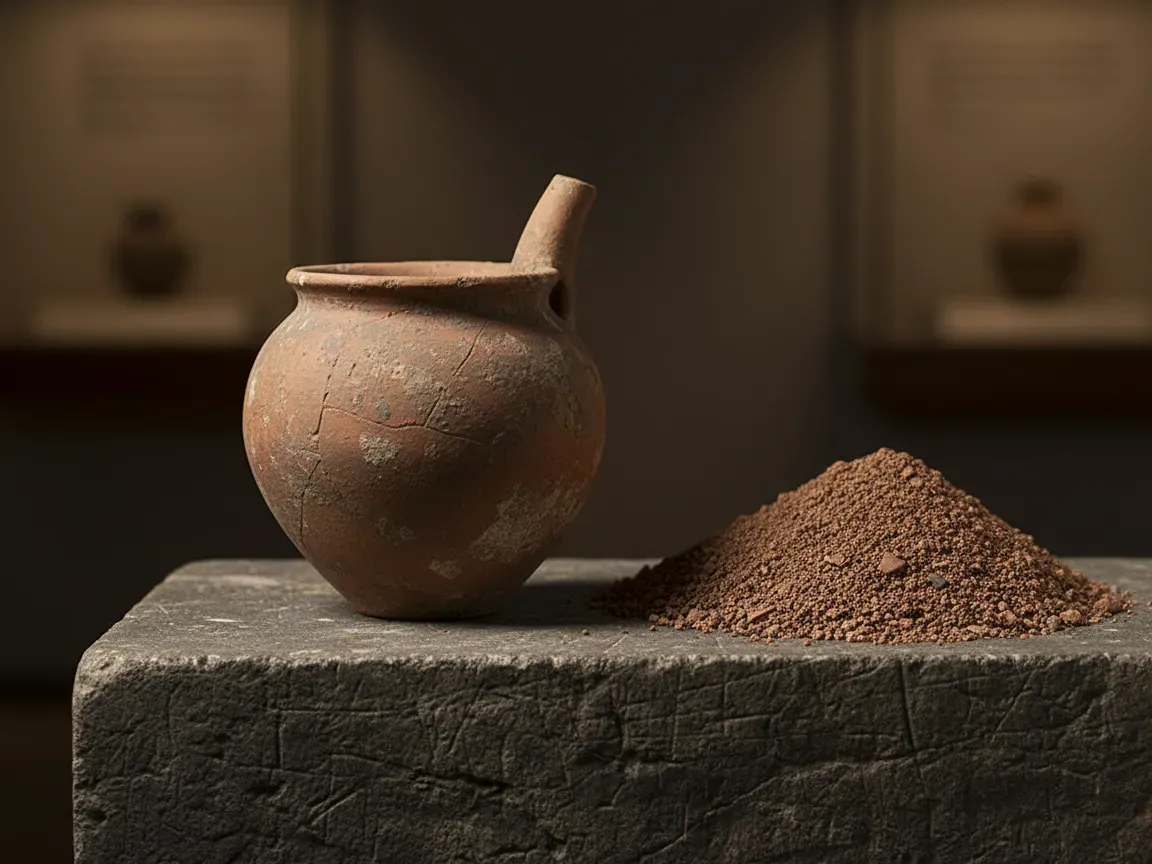
Archaeologists studying the Roman Empire often uncover towering stone monuments, military armor, and luxurious villas. Yet, some of the most profound discoveries from antiquity are surprisingly small and domestic. When excavators uncovered the burial of a Roman toddler, they found a small, spouted ceramic vessel placed tenderly beside the young remains. This humble object reveals a deeply human side of classical history that grand architecture cannot capture: the universal experience of parenthood, grief, and the desire to care for a child beyond death.
A Rare Glimpse into Ancient Roman Toddler Care
Childhood in antiquity was precarious, yet ordinary daily routines defined early life much as they do now. Historical records frequently mention political dynasties, senatorial debates, and imperial triumphs, but they rarely record how everyday mothers and nurses fed their babies.
Artifacts recovered from graves fill these gaps in historical knowledge. Finding a child’s burial intact allows historians and students to reconstruct the physical realities of growing up in the Roman world. Objects buried alongside toddlers offer direct evidence of nursery practices, domestic pottery production, and the intimate bonds shared within ancient Roman households.
What Was the Ancient Roman Tettina?
The artifact found in the child’s tomb is a specialized vessel often called a guttus or, more informally in Italian archaeology, a tettina. This ceramic tool served as the ancient Roman counterpart to the modern sippy cup or baby bottle.
A typical tettina was designed with specific functional features:
- A rounded ceramic body small enough for an adult hand or a toddler to hold
- A narrow opening at the top for filling the vessel with liquids
- A slender, tapered spout shaped like a nipple to allow controlled drinking without choking
- Simple clay construction, usually unglazed or lightly slipped for domestic use
Parents and caregivers used these vessels to wean infants off breast milk or to administer supplemental nourishment, such as animal milk, thin grain porridge, and herbal remedies. When modern researchers test the interior residue of these small spouted jugs, they frequently identify degraded fatty acids from milk products, confirming that these pots were essential tools for feeding growing children.
Why Did Romans Place Feeding Cups in Children’s Graves?
In the Roman belief system, death did not immediately end a person’s existence; rather, it began a delicate journey to the underworld. The dead needed sustenance, guidance, and familiar tools to navigate this transition safely.
When an adult died, relatives often buried them with coins to pay the ferryman Charon, alongside lamps to illuminate the dark path, and full banquet plates of food. A toddler, however, could not chew solid meat, drink wine, or manage standard dining utensils.
Mourners placed the tettina in the grave so the child would have a familiar, usable way to feed on the road to the afterlife. By including the cup, the grieving family ensured that their young son or daughter would not go hungry in the spiritual realm. The presence of the vessel also provided familiar comfort, surrounding the deceased child with objects they recognized from their short life on earth.
The Reality of Childhood Mortality and Parental Grief in Antiquity
Modern demographic studies suggest that around one third of children born in the Roman world did not survive to their first birthday, and nearly half died before reaching adulthood. Common infections, contaminated water, and nutritional deficiencies made early childhood exceptionally dangerous.
Because child death was frequent, some older historical theories argued that Roman parents remained emotionally distant from their young infants to shield themselves from inevitable sorrow. Discoveries of personalized grave goods completely dismantle that assumption.
The inclusion of a favorite feeding cup, small clay rattles, miniature figurines, or amber amulets demonstrates intense parental love. Grief in antiquity was not muted by the high frequency of loss. Roman literature, funeral inscriptions, and archaeological contexts all confirm that losing a child caused raw, devastating heartache across every social class.
What Ancient Grave Goods Teach Modern Students About Daily Life?
Looking at history exclusively through political speeches and military battles gives a distorted view of the human experience. Grave goods like the Roman tettina serve as vital pedagogical tools that connect modern learners to everyday life in the past.
These artifacts demonstrate how ancient people adapted technology to meet basic physical needs. A simple clay spout solved the problem of weaning in a world without synthetic plastics, rubber teats, or sterile medical supplies.
Furthermore, studying these objects encourages students to practice historical empathy. Analyzing how a Roman family said farewell to a toddler reminds us that beneath the armor and rhetoric, ancient people worried about the health of their children, struggled with illness, and mourned their losses with the same tenderness felt by parents today.
Rediscovering the Shared Bonds of the Human Experience
The small Roman feeding vessel buried alongside a toddler serves as a tangible bridge across two thousand years of history. It shows that material culture is rarely just about technology or trade routes; it is fundamentally about how human beings organize their lives and care for the people they love.
Examining such intimate artifacts transforms the way we understand the classical world. Instead of viewing antiquity as an abstract era of marble statues and imperial conquests, we encounter a society shaped by the daily routines of family life. That tiny ceramic spout proves that love, grief, and the maternal instinct to protect a vulnerable child remain entirely unchanged by the passage of time.