The modern human gut looks radically different from the digestive ecosystems of our ancestors. Comparative research examining traditional foraging populations alongside urban Westerners shows that industrialization triggered a massive collapse in internal biodiversity. Modern adults living in industrialized countries now lack roughly 60 percent of the bacterial strains regularly found in rural hunter-gatherer communities.
This drop in microbial wealth is not a benign side effect of progress. It represents a fundamental shift in how our bodies regulate inflammation, process fuel, and communicate with the immune system.
What Do Foraging Communities Reveal About the Human Gut?
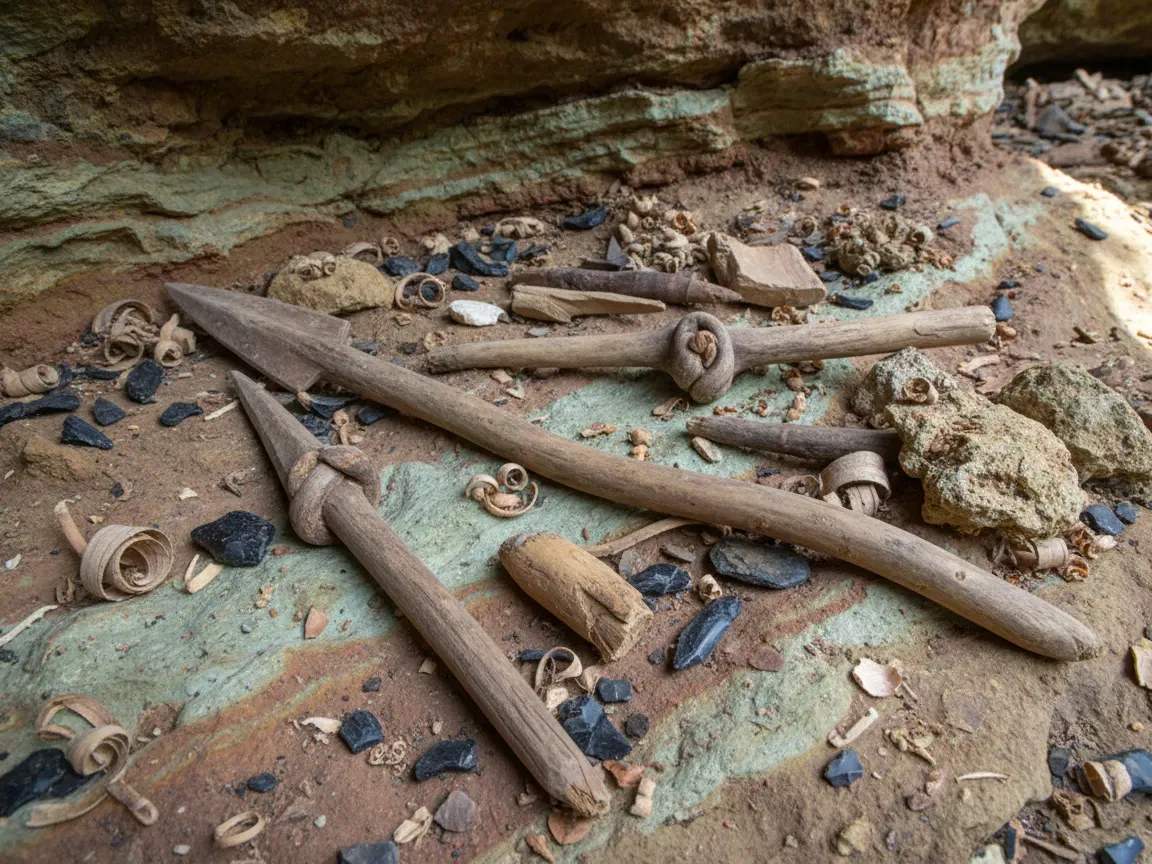
By studying isolated communities in South America and Africa, researchers have caught a rare glimpse of the ancestral human microbiome. Groups like the Hadza of Tanzania and the Yanomami of the Amazon basin live in close contact with the natural world and consume whole, unrefined foods gathered directly from their environments.
Their intestinal tracts harbor unprecedented levels of microbial diversity. The researchers discovered entire families of bacteria that have disappeared completely from modern Western populations. These traditional communities show seasonal shifts in their gut flora that track the availability of wild plants, game, and honey. Their gut ecosystems function like complex, self-renewing rainforests, capable of breaking down complex plant fibers that modern urban guts simply cannot process.
Why Did Industrialization Deplete 60 Percent of Our Ancestral Microbes?
The dramatic drop in gut diversity did not happen by chance. It is the direct consequence of three core pillars of contemporary lifestyle: ultra-processed nutrition, aggressive sanitation, and chemical disruption.
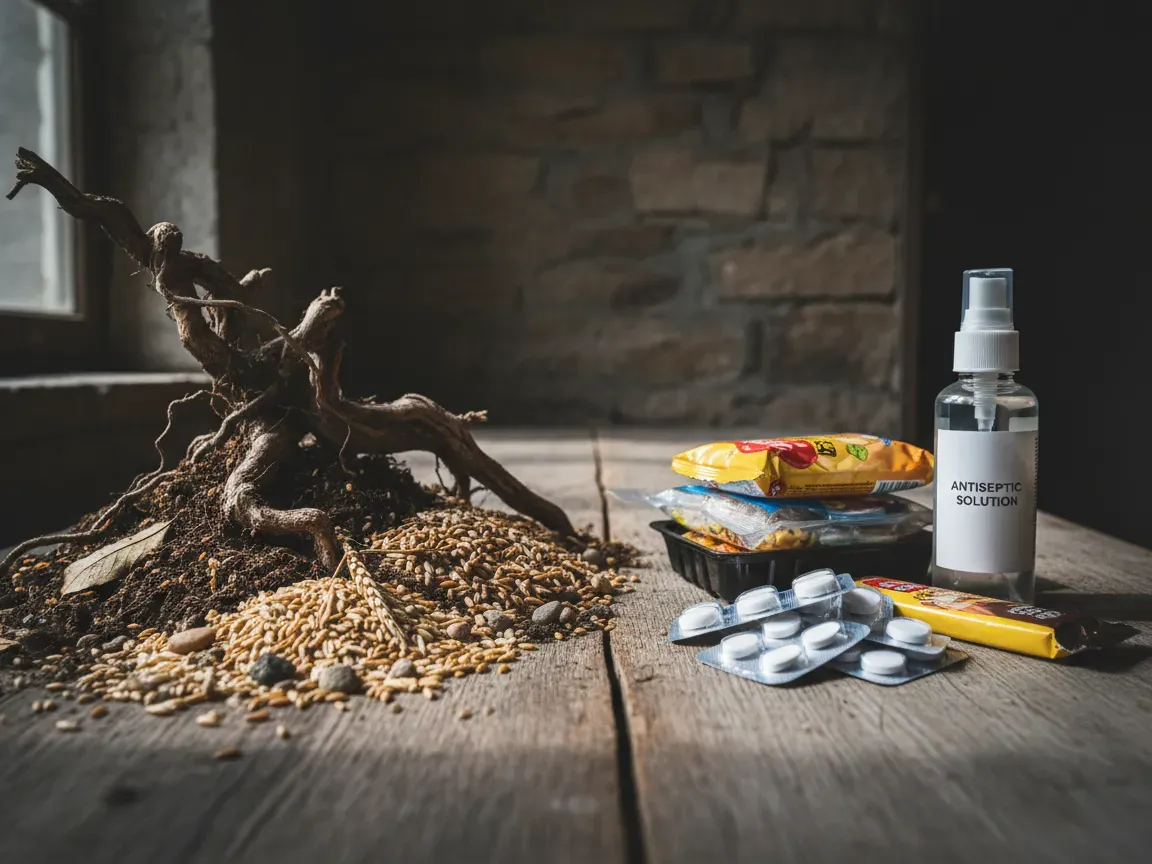
- Processed diets: Modern industrial food systems rely heavily on refined sugars, shelf-stable fats, and stripped carbohydrates. Ancestral gut microbes rely on diverse dietary fibers known as microbiota-accessible carbohydrates. Without these complex fibers, specialized microbial species starve and go extinct across generations.
- Sanitized environments: Urbanization separated humans from rich outdoor soil, untreated water, and domestic farm animals. The heavy use of industrial cleaners and antimicrobial soaps cuts off the continuous environmental microbial seeding that sustained previous generations.
- Overuse of pharmaceuticals: Antibiotics save lives, but their widespread and repeated application wipes out both harmful pathogens and beneficial gut residents. When coupled with food additives, emulsifiers, and pesticide residues, the modern gastrointestinal tract faces constant chemical disturbance.
The Cost of Sterile Living on Modern Immunity
The human immune system evolved alongside these missing microorganisms over millions of years. Our defense networks rely on constant signals from diverse gut bacteria to learn the difference between harmless environmental particles and dangerous pathogens.
When 60 percent of those instructional microbes disappear, the immune system loses its tuning mechanism. Instead of remaining calm, it overreacts to everyday exposures, triggering chronic low-grade inflammation. This loss of microbial diversity correlates directly with the modern explosion of autoimmune disorders, asthma, allergies, metabolic syndrome, and inflammatory bowel diseases. These conditions remain virtually nonexistent among non-industrialized foraging groups.
How Western Lifestyles Reshaped Our Digestive Biology?
The physical architecture of the digestive tract adapts directly to what passes through it. In traditional communities, a highly diverse microbiome produces abundant short-chain fatty acids like butyrate, which fuel the intestinal barrier and keep the gut lining tight and resilient.
In Western societies, the absence of fiber-fermenting microbes leaves the intestinal mucus barrier thinner and more vulnerable. Deprived of their preferred dietary substrates, some remaining bacteria actually feed on the host mucus lining itself. This erosion compromises the gut barrier, allowing microscopic toxins to seep into the bloodstream and drive systemic inflammatory responses throughout the body.
Practical Steps to Protect and Diversify Your Microbiome Today
You do not need to abandon modern life and live in the wild to support your internal ecosystem. Thoughtful, everyday adjustments can nourish the microbes you still host and prevent further loss.
- Expand plant diversity: Aim to consume a wide variety of whole plants each week. Mix up vegetables, legumes, whole grains, seeds, and nuts to supply distinct types of prebiotic fiber.
- Add fermented foods: Traditional staples like unpasteurized sauerkraut, kimchi, kefir, and plain yogurt introduce live, beneficial strains and support overall balance.
- Spend time in natural environments: Regular contact with soil, forests, parks, and animals introduces diverse environmental microbes back into your daily routine.
- Use antimicrobial products mindfully: Avoid routine exposure to unnecessary antibacterial sprays, harsh hand washes, and unprescribed medications that disrupt microbial life.
Rebuilding Our Relationship with the Microbial World
The disappearance of our ancestral microbes demonstrates that human health cannot be separated from biological diversity. While modern hygiene and industrial medicine conquered many deadly infectious diseases, our sterile environments and refined diets carried an unintended consequence. We traded a resilient, ancient internal ecosystem for chronic inflammatory vulnerability.
Understanding this biological trade-off gives us the leverage to make better choices. By reintroducing varied dietary fibers, embracing the natural world, and respecting the essential role of gut bacteria, we can support our bodies in regaining the internal balance that modern living swept away.